
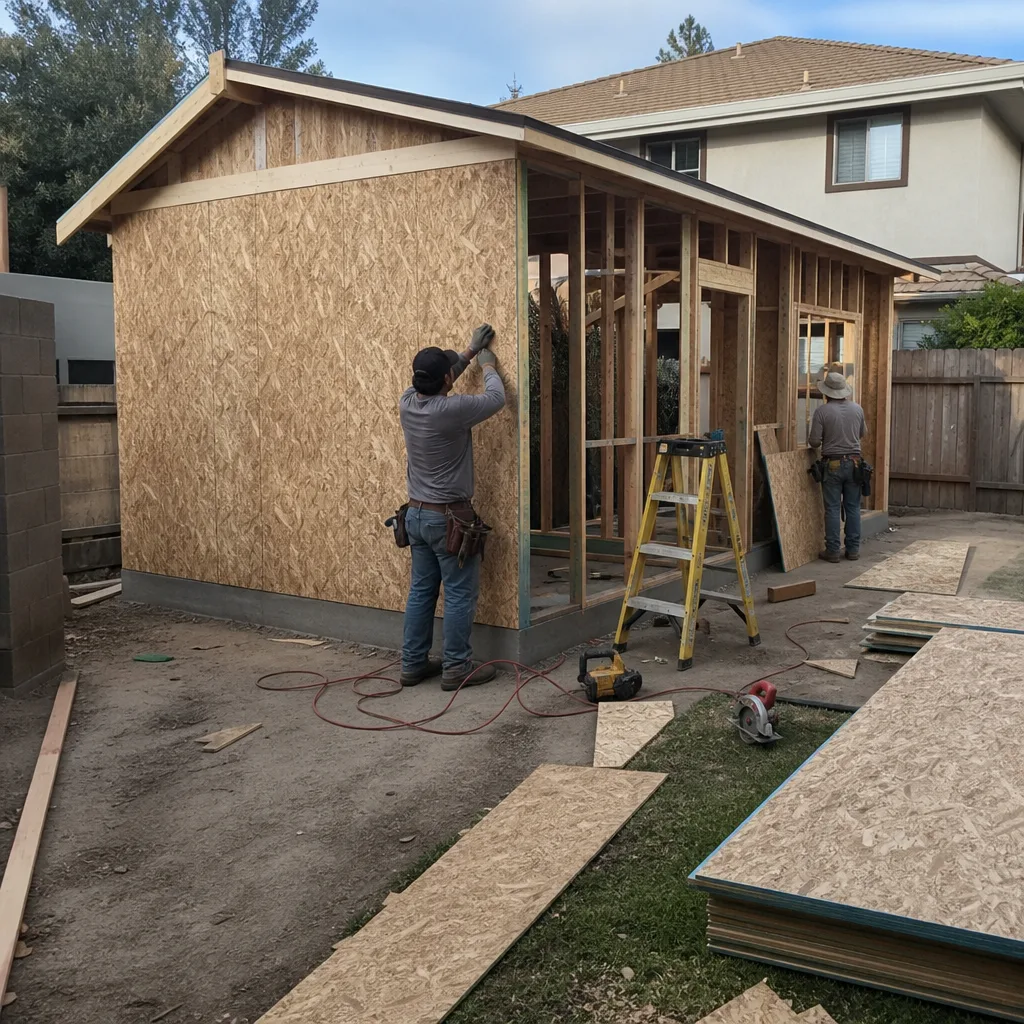
Last updated October 31, 2026
ADU Builders Maintenance Checklist for Highland Homeowners
The most common call we get from Highland ADU owners in year two isn’t about a failing wall or a sagging roof. It’s about a mini-split that stopped cooling during a 104-degree July afternoon, or a door that suddenly won’t seal against the Santa Ana dust. A $40 maintenance visit and a tube of weatherstripping would have prevented both. Most more guides & resources for accessory dwelling units are written for coastal California, where marine layers keep temperatures steady and the air is clean. Highland is a different environment entirely. This guide is written for the specific pressures your ADU faces here: summer heat that doesn’t let up, wind events that scour exterior seals, Inland Empire air that loads filters fast, and soil that shifts under your foundation. By the end, you’ll know exactly what to check, when to check it, and what you can safely skip until next season.
Quick Answer
An ADU maintenance checklist for Highland homeowners should prioritize four items that fail first in this climate: HVAC filters and condenser coils every 60 to 90 days during cooling season, weatherstripping and caulk after each Santa Ana wind season, roof and deck connections twice a year (with extra attention after fall winds), and exterior siding seams on prefab or modular units every spring. A realistic annual maintenance budget for a Highland ADU runs $400 to $800, and the work can be completed across two or three focused weekends per year.
Table of Contents
- Why Highland’s Climate Demands a Different Maintenance Rhythm
- HVAC and Mini-Split Maintenance: The Highland Dust and Heat Load
- Weatherproofing After Santa Ana Winds: Seals, Weatherstripping, and Caulk
- Roof, Deck, and Foundation Checks for Inland Empire Soil
- Plumbing and Water Heater Inspections for San Bernardino County Hard Water
- Prefab and Modular ADUs vs. Stick-Built: What to Inspect Differently
- Interior Finishes: Kitchen, Bathroom, and Flooring in a Rental-Ready State
- Highland ADU Seasonal Maintenance Calendar
- Common Mistakes to Avoid
- When to Call a Professional
- Frequently Asked Questions
- The Bottom Line
Why Highland’s Climate Demands a Different Maintenance Rhythm
Highland sits at roughly 1,300 feet of elevation in the eastern San Bernardino Valley, where summer temperatures routinely exceed 100 degrees for weeks at a stretch. The heat is not the only factor. The city lies directly in the path of the Santa Ana wind corridor that funnels through the Cajon Pass, bringing dry, abrasive air that carves through exterior seals and deposits fine dust into every gap around doors, windows, and mechanical equipment. Then there’s the soil. Much of Highland is built on expansive clay that swells when wet and contracts when dry, a cycle that puts slow, persistent stress on any structure’s foundation. A maintenance checklist designed for a mild coastal climate will systematically undervalue these three forces. The result is that Highland ADU owners discover problems late, when repairs cost three or four times what prevention would have. If you own an ADU on your Highland property, or you’re planning to build one, your maintenance calendar should be built around these local conditions, not generic advice.
In our experience working with ADU Builders in Highland, the units that stay in the best condition year after year are not the most expensive ones. They’re the ones where the owner committed to a short, consistent inspection rhythm: thirty minutes every other month during cooling season, plus one longer afternoon in the spring and one in the fall.
HVAC and Mini-Split Maintenance: The Highland Dust and Heat Load
Most mini-split manufacturers print a filter cleaning interval in their manual that assumes a fairly clean operating environment. Highland is not that environment. Between the Santa Ana dust and the fine particulate that settles into the valley during summer inversions, filters load up noticeably faster here. A dirty filter forces the system to work harder, which shortens the life of the compressor and inflates your electric bill during exactly the months when the system runs hardest.
Here is the maintenance sequence we recommend for any HVAC system in a Highland ADU:
- Clean or replace the filter every 60 days during cooling season (May through October). If you run the system continuously during a heat wave, check it every 30 days. Most mini-split filters are washable and take five minutes.
- Inspect the outdoor condenser coil once a month during summer. Dust, cottonwood, and debris collect on the fins. A gentle rinse with a garden hose (system off) removes the layer that reduces efficiency. Do this in the early morning before the unit heats up.
- Check the condensate drain line every spring. Algae and dust form a sludge that clogs the line. A clogged drain means water backing up into the unit and, eventually, onto your wall or floor.
- Test the system’s heating mode in October. Many Highland ADU owners run cooling eight months a year and never think about heat until the first cold night in December. Test it early so a repair doesn’t happen during peak service demand.
- Schedule a professional deep service every two years. A technician should check refrigerant charge, electrical connections, and coil condition. This typically costs $150 to $250 in the Highland area and catches problems before they strand your tenants or family members in 105-degree heat.
If you rent your ADU, note that California habitability rules require working heat. A failed heater is not just a comfort issue, it’s a legal one for landlords. The ten-minute October test matters.
Weatherproofing After Santa Ana Winds: Seals, Weatherstripping, and Caulk
Santa Ana winds in Highland typically peak between September and November, but fall events can arrive as early as August. These winds push dry air across the valley at sustained speeds high enough to flex exterior doors, rattle windows, and drive dust through the kind of small gaps that coastal maintenance guides barely mention. The damage is cumulative. Each wind season widens the gaps slightly, and the next one drives more dust and heat exchange through them.
Walk this inspection list twice a year, once in late spring and once after the fall wind season:
- Exterior door weatherstripping: Shut each exterior door and check for visible light around the perimeter. Replace compressed or torn stripping. A new roll of foam weatherstripping costs under $15 at any Highland hardware store and takes fifteen minutes to install.
- Window seals and glazing: On older windows, run a finger along the caulk line where glass meets frame. Cracked glazing compound lets dust in and cooled air out. Re-glazing is a straightforward fix, but it has to be done before the gap grows.
- Caulk around exterior penetrations: Look where the mini-split line set enters the wall, where electrical conduit passes through siding, and where the dryer vent exits. The rubber gaskets on these penetrations degrade under UV and wind. A $7 tube of exterior caulk is your best defense.
- Thresholds and sweeps: A door sweep that has been scoured by wind-driven grit will leave an angled gap at the bottom of the door. Replace sweeps that have become brittle or detached.
- Weatherstripping on attic or crawl access panels: These often get overlooked entirely. If your ADU has an unconditioned crawl space or attic, seal the access properly or you’re paying to cool the Inland Empire.
The payoff for this work is immediate and measurable. A well-sealed ADU uses less energy, stays more comfortable, and keeps fine dust off your interior surfaces during wind events. For landlords, a unit that stays clean during Santa Ana season is a unit that tenants do not complain about.
Roof, Deck, and Foundation Checks for Inland Empire Soil
Highland’s expansive clay soil is the unsung stressor behind many ADU maintenance issues. When the soil swells after winter rains and contracts through the dry summer, your structure experiences subtle movement. For a properly engineered ADU slab or foundation, this movement is manageable. But it will reveal itself through small signs: hairline cracks in drywall, doors that rub slightly in summer, trim that separates at a corner. The job of an annual inspection is to distinguish cosmetic movement from something that needs a professional’s attention.
- Walk the exterior perimeter in late winter or early spring. Look for cracks in the foundation stem wall wider than 1/16 of an inch, or cracks that have grown since the previous year. Note any area where soil has visibly pulled away from the foundation, which happens during dry stretches.
- Check roof edges and flashing after the fall Santa Ana season. High winds test every flashing connection, especially on low-slope roofs common on ADUs. A lifted strip of flashing invites winter rain intrusion.
- Inspect the deck ledger connection if your ADU has an attached or adjacent deck. This is one of the most common failure points in any structure, and wind exposure accelerates it. The ledger board should sit tight against the wall, with no visible gap or rust staining on fasteners.
- Look for ponding on the roof or on any flat surfaces after rain. Standing water that remains more than 48 hours after a storm indicates a drainage problem. On some prefab and modular units, low-slope roof drains can clog with debris and overflow into wall assemblies.
- Monitor doors and windows through the seasons. If a door sticks only in summer and opens freely in winter, the structure is responding to soil moisture. This is often normal for the area, but note the pattern each year so you’ll recognize when it changes.
If you’re in the planning phase rather than maintaining an existing unit, this is a strong argument for choosing a builder who understands Highland’s soil conditions from day one. A properly designed foundation for this climate prevents a long list of maintenance headaches. The team behind Sunburst ADU Builders home has worked with Highland lots long enough to know what expansive soil requires, and we factor that into every project we quote.
Plumbing and Water Heater Inspections for San Bernardino County Hard Water
San Bernardino County water is hard. Depending on your exact water district in Highland, you’re likely seeing between 10 and 15 grains per gallon, which puts mineral scale, sediment, and eventually fixture failure on your maintenance horizon. A tankless water heater that goes unmaintained in hard water territory can lose efficiency dramatically within three to five years. A traditional tank water heater will accumulate sediment at the bottom, which shortens its life and increases noise during heating cycles.
Here is the annual plumbing sequence for a Highland ADU:
- Flush the water heater once a year. For tank units, attach a hose to the drain valve and run water until it flows clear. For tankless units, follow the manufacturer’s descaling procedure using a flushing kit, or have a plumber do it. This is not optional in Highland’s water conditions.
- Inspect supply lines under sinks and at the water heater annually. Hard water accelerates corrosion on cheaper braided steel lines. Look for white mineral crust, rust spots, or bulging.
- Clean or replace faucet aerators and shower heads every 12 to 18 months. Mineral buildup restricts flow and makes the bathroom feel worse than it actually is. A vinegar soak often restores full flow without replacement.
- Test the water pressure at least once. If your ADU shares a supply line with the primary home, pressure can fluctuate. High pressure stresses every fixture and connection. An inexpensive pressure gauge at a hose bib tells you if you need a pressure-reducing valve.
- Check the water heater’s temperature and pressure relief valve by lifting the lever briefly. If no water comes out or it dribbles constantly, replace the valve. This is a safety component and a cheap fix.
Landlords with a rental ADU should document every water heater flush and fixture service. Tenants in Highland know what hard water does to their hair and their kettle, and a landlord who stays ahead of it gets fewer maintenance complaints and longer tenant stays.
Prefab and Modular ADUs vs. Stick-Built: What to Inspect Differently
A prefab or modular ADU is not maintained the same way as a stick-built one, and ignoring that distinction is where many homeowners go wrong. Factory-built units from manufacturers like Cover and Dvele are engineered to tight tolerances and shipped to the lot as modules or panels. That engineering is a strength, but the connection points and seams are the components that need regular attention, especially in a climate with Highland’s wind and temperature swings.
For a prefab or modular unit, add these items to your annual list:
- Inspect module or panel seams on the exterior. Factory-built walls join at seams that are sealed during installation. Over time, sealant can shrink or crack under UV and wind exposure. Walk the exterior once a year and look for any seam that has visible cracking, lifting, or a gap. Re-seal with an exterior-grade sealant compatible with the panel material.
- Check anchor and connection points at the foundation. Modular units arrive in sections that are bolted or strapped to a permanent foundation. The connections can loosen slightly over time, especially through seasonal soil movement in Highland’s expansive clay. A visual check for rust, shifted washers, or loose fasteners takes minutes.
- Examine roof-to-wall intersections on factory panel systems. The transition between factory roof panels and site-installed flashing is a common water entry point if inspections lapse. Look for deteriorating sealant and re-apply before winter rain.
- Keep the manufacturer’s specific maintenance documentation. Each brand has different recommended intervals and materials. Mighty Buildings panels have different finishing requirements than a Dvele wall assembly or a Boxabl fold-down unit. Follow the manual, and note that Highland’s dust and UV exposure may mean more frequent attention than the printed schedule assumes.
For stick-built ADUs, the inspection focus shifts to individual materials: siding joints, window flashing, and roof shingles or membrane. The good news is that a well-built stick-frame ADU in Highland, properly maintained, will last decades. The downside is that the inspection list is longer because each system is separate. Both approaches require attention. The key is matching your maintenance routine to the build method you actually have, which is why we say that the right ADU for your lot, your budget, and your timeline is not always the same one. We work with a range of manufacturers, including Mighty Buildings and Boxabl, so homeowners can choose a system and then maintain it correctly from year one.
Interior Finishes: Kitchen, Bathroom, and Flooring in a Rental-Ready State
The interior of your ADU is a business asset if you rent it, and a family asset if you built it for a parent or adult child. Either way, interior maintenance affects daily satisfaction more than anything else on this list. A dripping faucet in a rental unit becomes a tenant complaint. A sticky cabinet door in an in-law suite becomes a weekly annoyance for someone you love. These items are cheap to fix and disproportionately valuable when addressed early.
Kitchen and bathroom inspections, twice a year:
- Test every faucet, drain, and shutoff valve. Run water in the kitchen and bathroom, check under sinks for drips or moisture, and exercise the shutoff valves to keep them from seizing.
- Inspect the cabinet hardware and hinges. A screw tightening session will prevent stripped hinge mortises and sagging doors later. This is the single most overlooked interior task.
- Check grout and caulk in the bathroom. Cracked caulk at the tub or shower perimeter is a water intrusion point that leads to subfloor damage. Re-caulking takes an afternoon and costs under $20.
- Look for drywall cracks at ceiling corners. Seasonal soil movement in Highland often shows up as small cracks at wall-ceiling intersections. Note them, monitor them, and patch with a flexible paintable caulk before repainting.
- Test smoke and carbon monoxide detectors. California requires carbon monoxide detectors in units with a gas appliance or attached garage. Replace batteries on a fixed schedule, not just when they chirp.
If the ADU kitchen or bathroom is due for a functional upgrade, that’s where Kitchen Remodeling in Highland and Bathroom Remodeling in Highland come into play. A rental ADU with an outdated kitchen rents below market in Highland, where tenants increasingly expect modern finishes. A refresh will often pay for itself within two years of rental income.
Highland ADU Seasonal Maintenance Calendar
Here is the full year, condensed into the moments that matter in Highland’s climate. Print this and keep it with your ADU records.
March to April (post-rain, pre-heat): Flush the water heater. Check the foundation perimeter for cracks. Inspect roof flashing before the first major heat wave. Replace weatherstripping if winter storms compressed it. Schedule AC service if it wasn’t done last year.
May to June (cooling season begins): Clean the mini-split filters. Rinse the condenser coil. Test the system on a moderate day so you know it works before 100-degree temperatures arrive. Check interior faucets and under-sink areas for leaks as usage increases.
July to August (peak heat): Clean filters every 30 days if the system runs continuously. Monitor the condensate drain for clogs. Keep the outdoor condenser clear of debris and vegetation. Listen for unusual noises that indicate strain.
September to October (Santa Ana season begins): Walk the full exterior after the first significant wind event. Check door sweeps, window glazing, and exterior caulk. Clean filters again as dust loads spike. Test the heating mode in late October.
November to December (rain returns): Check roof drains and clear debris. Inspect flashing once more before the wettest months. Exercise shutoff valves so they do not seize. Verify that the water heater is operating at a safe temperature setting.
January to February (cooler, occasionally wet): Check for any water intrusion after heavy rain. Look at ceiling corners for new drywall cracks. Review your maintenance notes from the year and budget for any larger deferred items.
Common Mistakes to Avoid
- Following a coastal California maintenance schedule. Highland’s heat, wind, and dust load are specific. A filter interval that works in San Diego will cost you efficiency and compressor life here.
- Ignoring the outdoor condenser coil. Homeowners who never clean the coil wonder why their electric bill climbs every summer. A dirty coil in Highland can reduce efficiency by 10 to 15 percent.
- Waiting for the Santa Ana season to end before checking weatherstripping. The damage happens progressively through the season. A mid-season walk-around catches small failures before they become large ones.
- Flushing a tankless water heater with vinegar only when it stops heating. By that point, descaling is a repair, not maintenance. Annual flushes prevent the call entirely.
- Skipping the manufacturer’s seam inspection on prefab and modular ADUs. Factory-built panels are excellent engineering, but their connection points need annual attention in Highland’s UV and wind exposure.
- Deferring small caulk and weatherstripping jobs because they feel too minor. A $7 tube of caulk applied in spring prevents a $700 drywall repair after the winter rains find the gap.
- Renting the ADU without documenting maintenance. If a tenant brings a habitability complaint, your maintenance records are your protection. Date everything, photograph the big items, and keep it in one folder.
When to Call a Professional
Some maintenance is genuinely DIY. Some is not. Call a professional when you see a foundation crack that has widened since the previous inspection, a roof flashing failure, a water heater that produces rusty or lukewarm water after a flush, an HVAC system that makes unusual noise, or any electrical symptom that includes flickering lights, warm outlets, or a breaker that trips repeatedly. These are not weekend projects, and the cost of a wrong guess is measured in structural or safety consequences. When you need an honest second opinion, ADU Builders at Sunburst offers free estimates in Highland. Call us at (855) 676-6807 and we’ll come take a look.
Frequently Asked Questions
Most Highland ADU owners spend $400 to $800 per year on maintenance, spread across filter replacements, weatherstripping, a water heater flush, and one professional HVAC service every two years. Units with tankless water heaters and mini-splits tend toward the lower end when maintained consistently; see our ADU Cost Breakdown: The Highland Homeowner’s Reference for 2026 for full budget planning.
Clean the filter every 60 days during cooling season, and every 30 days if the system runs continuously during heat waves. Highland’s dust load exceeds manufacturer assumptions, so the printed manual’s interval is too conservative for this climate.
Santa Ana winds push dry, abrasive air through the Cajon Pass and across Highland, which scours weatherstripping, flexes exterior doors, and drives fine dust into gaps around windows, doors, and HVAC penetrations. The damage is cumulative across multiple wind events.
Not exactly. Prefab and modular ADUs need different maintenance, not necessarily less. Their connection points, panel seams, and anchor systems are the critical inspection items, while stick-built units spread attention across siding, flashing, and roofing systems individually.
A hairline crack that does not widen over time is usually cosmetic and reflects normal seasonal soil movement in Highland’s expansive clay. A crack wider than 1/16 of an inch, or one that grows year over year, deserves a professional evaluation.
Most of the checklist items are DIY-friendly, including filter cleaning, caulking, weatherstripping replacement, and water heater flushing. Items involving refrigerant, electrical panels, or structural assessment should be handled by licensed professionals.
California habitability standards require working heat, functioning plumbing, and a weather-tight shell. The annual maintenance sequence in this guide is designed to keep a Highland ADU in full compliance, and documenting every service protects you as a landlord.
The Bottom Line
Highland’s climate punishes neglect faster than most of California, and the maintenance items that matter most here are not the ones you’ll find on a generic ADU guide. Your filter schedule is shorter. Your weatherstripping needs to be checked after every Santa Ana season. Your water heater needs an annual flush against hard water. Your foundation needs a yearly once-over because of expansive soil. None of this is complicated, but it is specific, and the homeowner who follows this rhythm will spend less on repairs and keep their ADU in rental-ready condition year after year. For deeper guidance, read our ADU Builders Troubleshooting: Common Problems and How to Fix Them. When maintenance reveals a bigger issue or when the unit needs a structural upgrade, the team at Sunburst ADU Builders is a phone call away. Reach us at (855) 676-6807 for a free estimate in Highland.
Written by the team at Sunburst ADU Builders, serving Highland since 2018.